
On this page
To test a freight lane before promising a weekly truck, run a representative trip and measure how long the vehicle is committed from departure to release for its next job. Use that result to test the proposed schedule.
Choose a representative movement
Use the planned truck type, normal cargo and actual collection and receiving gates. Ask both sites what usually changes at month-end or during peak periods. Note where the pilot differs from the work you are being asked to commit to.
Worked example: a weekly booking conflicts with another load
Suppose a Gauteng operator plans to finish a Thursday delivery and return to base by 15:00 for a 16:00 collection. On the pilot the receiver takes two extra hours to unload, and the truck gets back at 17:00. Ask whether unloading can reliably start earlier, move the later collection or plan a different truck. Record who can authorise a change and when dispatch needs to decide.
If the truck returns at 17:00 and needs another 30 minutes to refuel, check equipment and reach the next gate, the earliest pickup is 17:30. A firm 16:00 booking needs another truck or a revised slot. Put the actual release time and the resulting conflict on the pilot sheet so the person pricing the lane sees which commitment would fail.
Pilot trip: can the truck make the next pickup?
- 16:00 next pickup booked
- 17:00 truck returns + 30 minutes to prepare and reposition
- 17:30 earliest pickup with this truck
Review capacity before agreeing a schedule
Compare the pilot with your actual truck roster and repositioning costs. Agree which dates are firm, how far ahead the shipper confirms volumes and how changes are handled. Use the recurring freight job brief to record the arrangement.
Further reading Kweli’s guide to building a recurring freight schedule.
Freight lane checklist
Choose a trial job with representative cargo and a real receiving window. Capture actual kilometres, gate times, exceptions and delivery evidence at each stage.
Worked example
A pilot takes 8 hours against a 6-hour plan. If 90 minutes are waiting at delivery and 30 minutes are repositioning, review both allowances before quoting a recurring schedule.
“An EPCIS event records what was involved in a business process step, when the event took place, where it took place”
Use those fields for the pilot: the job and truck, each site and the actual event time. Compare arrival, start of unloading and release separately. If waiting accounts for most of the overrun, confirm whether a firm bay appointment is available and whether the delay affects the return journey or next booking.
Agree a decision before running the pilot. For example, reserve the weekly truck only if the observed release window leaves time for the next booked pickup. If it does not, quote a later slot or arrange a second vehicle and include its costs before committing.
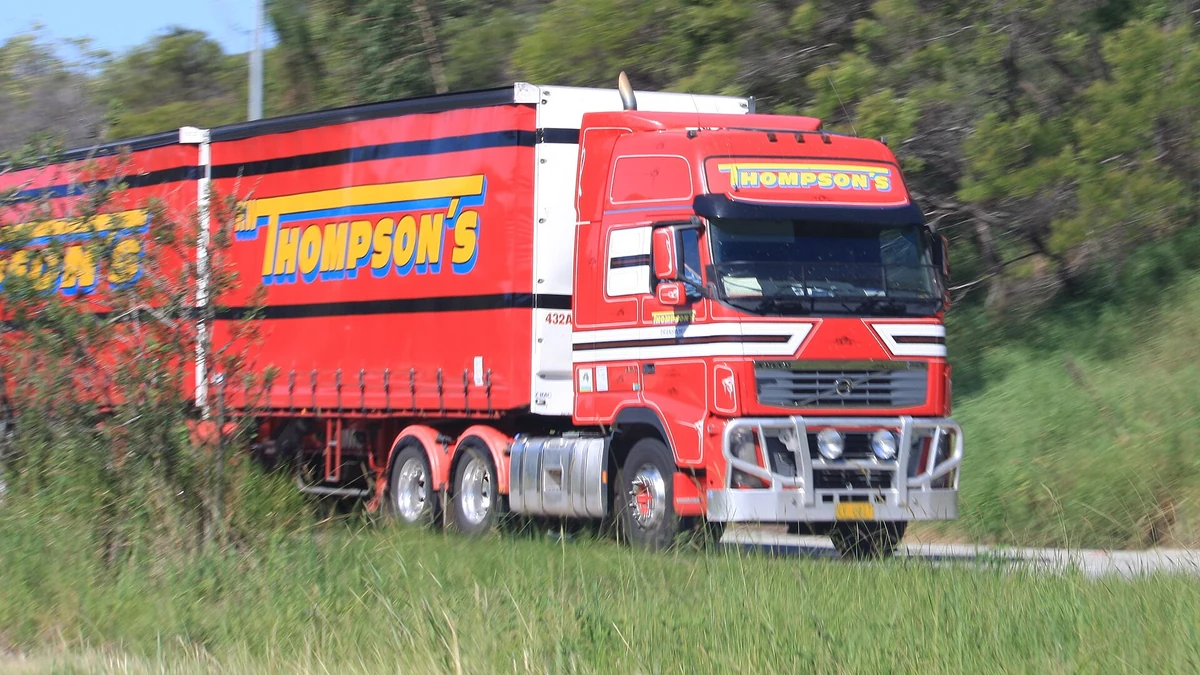
Cover photograph. Independent archival illustration: M1 Pacific Motorway, New South Wales, Australia; 2014-04-22. A red curtain-sided articulated truck travelling past roadside grass. Photograph by James Rogerson / Andrew Thomas under CC BY-SA 2.0. Cropped and resized; no added text or logos.
Freight lane pilot FAQs
Which trip should I use to test a freight lane?
Use a normal load, the intended truck and the actual gates and appointment windows. Record any conditions that make the pilot easier or harder than a typical trip.
Does one successful pilot justify a weekly commitment?
Use it to check the assumptions. Repeat the pilot when the first trip misses important conditions, such as the busier booking day or a different unloading shift.
What should I agree before offering a recurring slot?
Confirm the truck, collection and delivery windows, volume confirmation deadline and who can approve a change when the schedule slips.