
On this page
Run a freight review after delivery on one completed job while the driver and dispatcher still remember what happened. Compare the agreed brief with the actual movement and choose one change for the next trip.
Minutes 1–5: reconstruct the trip
Open the agreed brief, dispatch update and proof of delivery. Put planned and actual kilometres, collection time and delivery time side by side. Note where you are relying on an estimate.
Minutes 6–10: explain the biggest difference
Suppose a trip was budgeted for 450 km and ran 500 km. Ask which leg added the 50 km. If it was a detour, record why it was needed. If the original estimate omitted the repositioning leg, fix the next quote’s distance input. The same variance can lead to different actions.
Minutes 11–15: make one change
Write the revised instruction, the person responsible and the next job on which you will test it. For example, assign dispatch to verify the truck entrance pin with the receiver before release. At the next review, check whether the new instruction prevented the same delay. If the next job uses a different entrance or shift, flag that difference and repeat the check on a booking that matches the original conditions.
Explore ATLAS for Synesys transport partners and bring one completed job to your workflow discussion.
Further reading Kweli Corridor Network’s related freight guide.
Related Synesys guide Truck trip cost sheet for south african operators.
Freight review after delivery checklist
Spend five minutes comparing planned and actual time, five examining the biggest variance and five assigning one change. Keep the job evidence with the action.
Worked example
The trip ran 55 minutes late and the site log shows 45 minutes at the gate. Before adding drive time to the plan, ask dispatch to confirm whether pre-registration removes the gate delay on the next job.
“An EPCIS event records what was involved in a business process step, when the event took place, where it took place”
Use that approach to compare the same milestones on two jobs. For the gate-delay example, record the booking reference, gate arrival and clearance times. Ask dispatch to submit the next registration before release and have the driver record the same two timestamps. If the next gate wait is 15 minutes instead of 45, the measured difference is 30 minutes. Check whether the slot and queue conditions were comparable before attributing the change to registration.
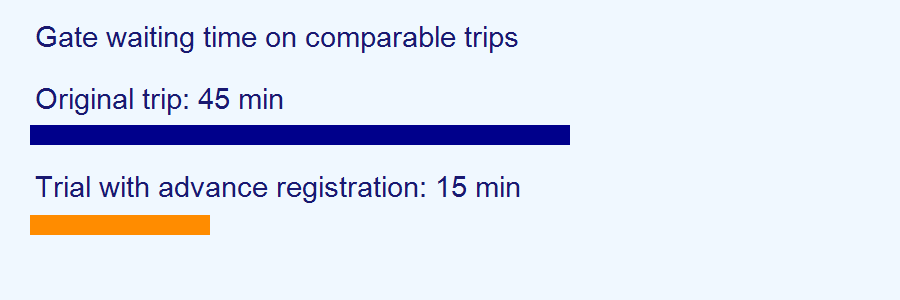
Start with the dispatch plan, gate log and signed delivery record. Ask what the team can change on the next comparable trip. If the issue was late gate registration, name who will submit the registration and check the result at the next pickup.
Cover photo by U.S. Army. Cropped and branded.
Freight review after delivery FAQs
Which records should we open before the review?
Bring the dispatch plan, gate timestamps, signed delivery evidence and actual kilometres. Mark any time or distance that the team still needs to verify.
How do we choose what to fix first?
Start with the largest measured difference. Check where it happened and whether the team can change that part of the process on the next comparable trip.
When do we check whether the change worked?
Name an owner and use the next comparable booking. Compare the same measure, such as gate waiting time, and record the result.