
On this page
If you find cargo damage at delivery, record what you can observe before the handover ends. Ask the receiver to note the affected units and whether they accepted or refused them. Alert dispatch and follow the agreed escalation process.
Make the record specific
Use the label or pallet reference and describe the location and extent of visible damage. Where safe and permitted, take an overview photo and a close-up, then retain the original files with the signed delivery note. Record any account of the cause separately from your observations.
Worked example: one carton has a crushed corner
A Durban receiver counts twelve cartons and accepts all twelve, with a crushed corner noted on carton seven. The driver checks that the receiver records the exception, captures the carton label and affected corner, and sends the evidence through the agreed channel. Dispatch confirms receipt and asks the shipper who will review the affected unit.
Cargo damage photo log: sample job D-012
- Overview of the pallet before unpacking
- Readable label identifying carton 07
- Close-up of the crushed corner on carton 07
Keep later findings with the original record
If the receiver later finds internal damage, add the new observation and its time without altering the signed note. Follow the agreed reporting process and keep any instructions about inspection or retention with the job. Use the Synesys delivery photo guide to check that the document can be read.
Further reading Kweli’s guide to readable delivery evidence.
Cargo damage checklist
Ask the receiver to note the observed condition and accepted or refused quantities. Record package IDs and photograph overall placement and close-ups where the site permits it.
Worked example: three cartons on one pallet
For three crushed cartons on one pallet, record the affected carton IDs and whether the other cartons were accepted. Preserve the signed note and assign the follow-up to the person named in the customer’s claims procedure.
“The SSCC is the GS1 ID Key used to identify individual logistic units.”
If the pallet has an SSCC and the cartons have separate labels, record both the pallet identifier and the affected carton IDs. For a pallet with 20 cartons, a receiver may accept 17 and refuse three. Record each refused carton, who retained it and where it was left. Match those three IDs against the photos before forwarding the exception to the shipper.
Keep a simple photo log with the job reference and file names. Label each file as an overview, a unit identifier or a close-up. If carton seven has a crushed corner, a reviewer should be able to match the close-up to the correct carton without calling the driver again. If two cartons have similar labels, photograph each label and its damaged corner together so the receiver can match the record to the correct unit.
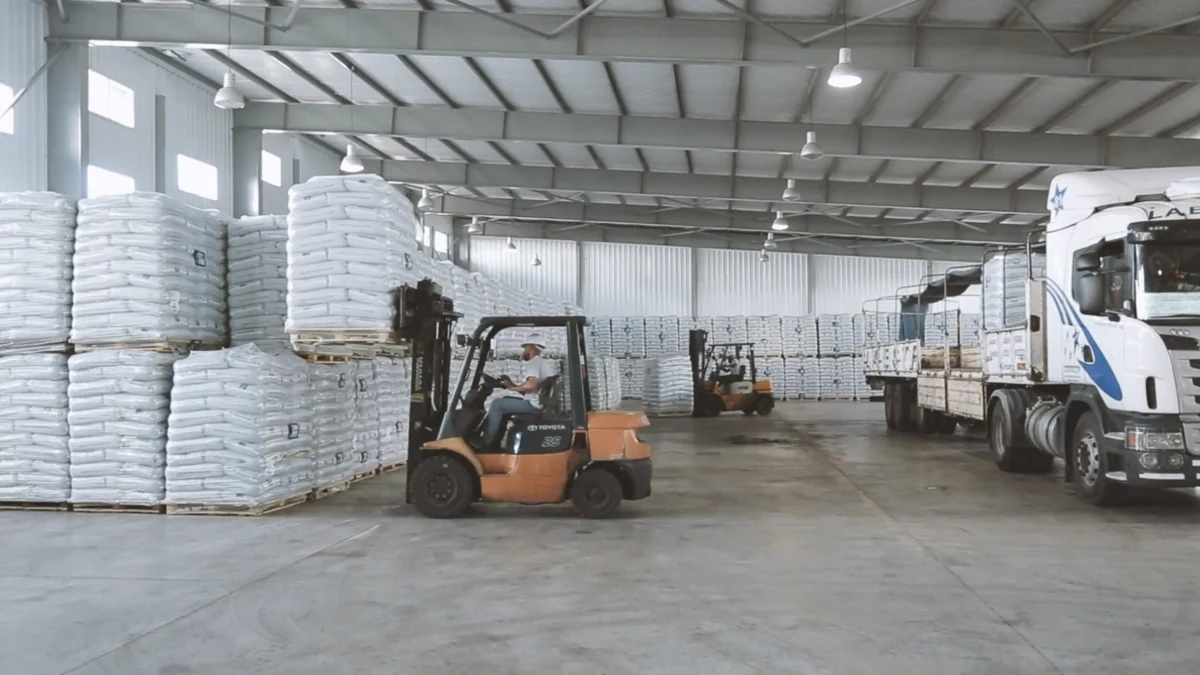
Cover photograph. Independent archival illustration: Justo Daract, Argentina; 2020-03-05. A forklift, stacked bagged goods and a truck inside a warehouse. Photograph by San Luis Logística under CC BY-SA 4.0. Cropped and resized; no added text or logos.
Cargo damage at delivery FAQs
What should I photograph when cargo arrives damaged?
Where it is safe and permitted, photograph the affected unit in context, its readable label and a close-up of the damage. Keep the originals with the signed delivery record.
What if the receiver accepts the damaged unit?
Ask the receiver to record the accepted quantity, unit ID and visible condition on the delivery note. Route the record to the nominated person for follow-up.
What if damage is only found after unpacking?
Keep the signed delivery note intact. Record who found the damage, when it was discovered and which unit was affected, then follow the agreed notification process.