
On this page
Choose a truck body for palletised freight by checking how the cargo gets on, how it gets off and what protection it needs on the road. Confirm all three with the carrier and both sites before fixing the rate.
Ask where the forklift can work
A curtain-side body may suit side loading when the carrier and site confirm access. A box body may suit a rear dock when the opening and deck height match. Check the actual vehicle, including door clearance, usable floor space and any obstruction. Confirm who provides handling equipment and which protection and restraint arrangements the cargo needs.
Worked example: the two sites need different access
A shipper in Germiston has eight pallets ready for side loading. The receiver has a rear dock and no yard space for unloading from the side. Ask the operator whether the proposed vehicle can support both handovers and whether the dock can accept its deck height. If neither site can change its process and the vehicle cannot serve both, price a different vehicle or an agreed transfer before dispatch.
Keep the approved equipment in the job brief
Record the body type, access direction at each end and any clearance limits. When dispatch proposes a substitute, repeat those checks. Use the pallet measurement guide to prepare the dimensions and share your brief with Synesys if you need help coordinating the move.
Match the truck body for palletised freight to both sites
Ask each site to confirm the loading direction, equipment, approved position and earliest time staff can handle the load. In the Germiston example, the vehicle needs side access at collection and a usable rear opening at delivery. Ask the carrier to confirm those features on the same vehicle and the receiver to confirm dock compatibility. If they cannot agree, compare an approved alternative vehicle with the cost and extra handling of a transfer.
| Stage | Requirement |
|---|---|
| Collection | Side access for the forklift |
| Delivery | Rear opening and compatible dock |
| Both | Confirm on the actual vehicle |
For a ground-level delivery, a 950 kg pallet and a 70 kg pallet jack together weigh 1,020 kg before any other load on the platform. A platform rated for 1,000 kg would already be insufficient on those figures. Give the carrier the weights and dimensions and ask it to confirm a suitable unloading method. If it proposes a different lift, have it check the rating at the intended load position and verify that the site can accommodate the platform.
| Item | Weight |
|---|---|
| Pallet | 950 kg |
| Pallet jack | 70 kg |
| Together | 1,020 kg |
| Platform rating in the example | 1,000 kg: insufficient |
“An EPCIS event records what was involved in a business process step, when the event took place, where it took place”
Keep the equipment approval with the job reference and record the site, time and actual vehicle at the handoff. If dispatch changes the truck, retain the previous approval and note who accepted the replacement. Give the driver the approved approach and unloading method before release.
Price a different truck body for palletised freight before booking
Suppose the carrier offers R8,900 for a truck that can load from the side and unload at the rear dock. A side-load-only option costs R7,700, but it needs a transfer costing R1,500. The second option totals R9,200 before any storage or waiting. If both arrangements can meet the delivery slot, the vehicle that serves both sites directly saves R300 on these example prices.
Before choosing the transfer, ask who will inspect the pallets when the first truck unloads, where the pallets will wait, and when the second truck can be loaded. Confirm that the warehouse can handle the heaviest pallet without changing its packaging or orientation. Ask for a written total that includes both road legs and handling. If a delay might require storage or a new delivery slot, find out who can approve those costs.
Keep the equipment check with the booking
Record the exact truck and trailer, the approved loading method at each site, the heaviest pallet and the unloading equipment needed. If a substitute is proposed, ask the carrier to confirm the changes against the same brief. If the receiver can only unload at a rear dock, have it confirm the replacement’s deck height and rear opening before the driver leaves. Include a named contact and a decision deadline if either site has yet to confirm. Ask dispatch to keep the booking provisional until both sites approve the same vehicle and unloading plan.
Further reading Kweli’s guide to describing truck capacity.
Truck body for palletised freight in practice
Match load dimensions and weight to usable deck space and confirm whether the site loads from the side, rear or dock. Let the operator confirm the legal and safe loading configuration.
Worked example
A receiver has no forklift and requires ground-level unloading. A rear-door truck without suitable unloading equipment does not meet that requirement. Confirm tail-lift and pallet handling capacity for the heaviest loaded pallet before booking.
For a reference on structuring operational event records, see GS1 EPCIS.
If the load includes a 950 kg pallet, send its gross weight and dimensions to the operator along with the pallet jack weight and unloading location. Ask the operator to confirm the lift rating for the intended use and the load layout before assigning the truck.
Truck body FAQs
Can a curtainsider serve a rear dock?
Some can. Confirm rear access, opening clearance and deck height on the actual vehicle, and ask the receiver to approve it for the booked bay.
What should I check before booking a tail lift?
Send the operator the heaviest pallet, its dimensions and the handling equipment weight. Ask them to confirm the platform dimensions, rating for the intended load position and a suitable unloading area.
Can dispatch substitute another truck of the same body type?
Recheck the openings, deck dimensions and handling equipment on the replacement. Confirm the change with both sites before release.
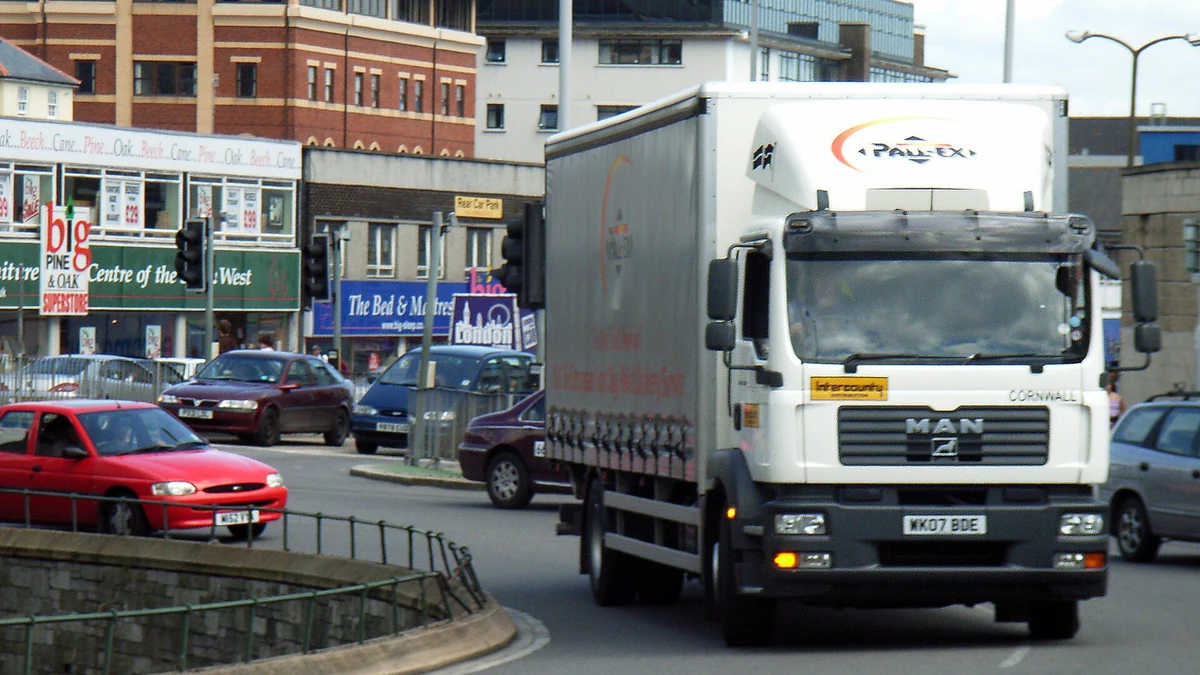
Cover photograph. Independent archival illustration: Plymouth, England, United Kingdom; 2007-07-24. A white curtain-sided distribution truck travelling on a city street. Photograph by Graham Richardson from Plymouth, England under CC BY 2.0. Cropped and resized; no added text or logos.